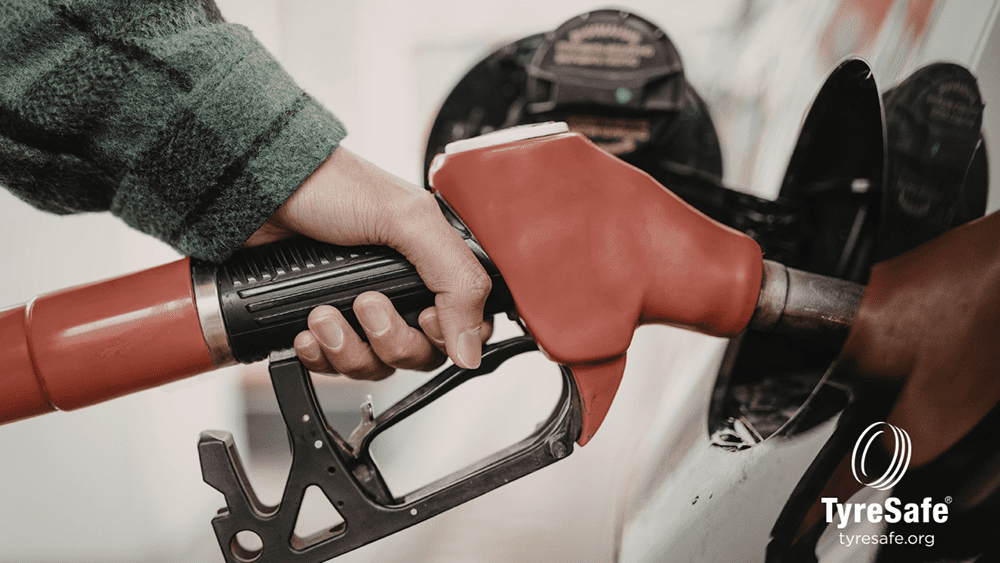
As fuel prices begin to rise again across the UK, drivers are being warned that a simple maintenance check could make a real difference to how far their fuel goes.
This week both the RAC and AA advised road users to drive efficiently and ensure tyres are inflated correctly to help offset increasing pump prices. According to the RAC’s Fuel Watch data, petrol prices have risen by around 4.68p per litre since the start of the Iran conflict, while diesel has increased by approximately 8.59p per litre in just over a week.
But tyre safety experts say many drivers may be unknowingly increasing their fuel consumption simply by driving on tyres that are below the recommended pressure.
Data from The Motor Ombudsman suggests that more than half of tyres on UK roads may be underinflated, increasing rolling resistance and forcing vehicles to use more fuel to travel the same distance.
Even a relatively small drop in tyre pressure can have a noticeable impact. A 10% reduction in tyre pressure can increase fuel consumption by around 2%, meaning drivers could be paying more at the pump without realising why.
Incorrect tyre pressure can also compromise safety. A reduction of around 20% in tyre pressure – roughly 6 psi – can significantly reduce handling, grip and control, increasing the likelihood of tyre-related incidents.
Stuart Lovatt, Chair of TyreSafe, said, “When fuel prices rise, drivers naturally look for ways to make their fuel last longer. One of the simplest things they can do is check their tyre pressures regularly.”
“Under-inflated tyres increase rolling resistance, which means the vehicle has to work harder and burn more fuel just to move forward. It may seem like a small issue, but over time it can quietly add to the cost of every journey.”
“More importantly, tyres that are not inflated correctly can reduce grip, handling and overall vehicle stability. Keeping tyres at the correct pressure isn’t just about saving fuel – it’s a critical part of staying safe on the road.”
TyreSafe recommends that drivers check tyre pressures at least once a month and before long journeys, using the vehicle manufacturer’s recommended pressures found in the handbook or inside the driver’s door frame or fuel cap.
With fuel costs once again rising, experts say a quick tyre pressure check could help drivers protect both their wallets and their safety.