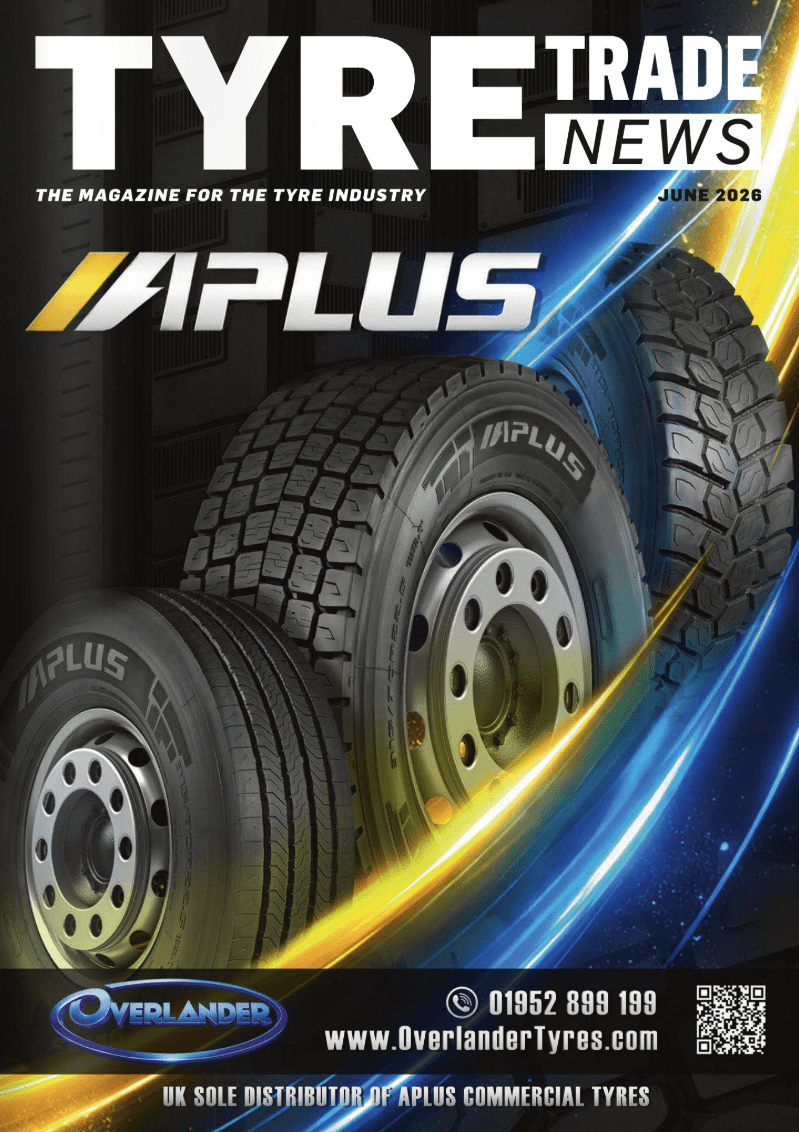



In a year where much of the UK tyre industry is struggling to keep momentum, one segment is unexpectedly rolling ahead: truck and bus tyres.
While the consumer tyre market shrank by 16% year-on-year in Q2, with falling private car mileage and weakened consumer spending biting hard, the truck and bus sector has quietly emerged as a rare success story. Could import tariffs and new trade remedies be the key driver?
New Duties, New Dynamics
On 1 August 2025, the UK government introduced revised anti-dumping and countervailing duties on truck and bus tyres imported from China, following a public notice issued by the Secretary of State and backed by the Trade Remedies Authority (TRA). The move targets pneumatic tyres with a load index above 121 – standard across trucks and buses.
The headline figures:
- Hankook Group: £6.55 anti-dumping duty per tyre (until Oct 2028); £0.00 countervailing duty
- All other exporters: £45.71 anti-dumping + £64.41 countervailing = £110.12 total per tyre
These new UK measures replace the EU-era tariffs, amounting to a staggering 113% increase.
Truck Tyres: Holding Steady While the Market Slips
While budget imports continue to pressure the consumer segment, truck and bus tyres are bucking the trend. Several factors contribute to the segment’s relative stability:
- Tariffs have rebalanced the playing field, protecting domestic producers from underpriced imports.
- Importers are being squeezed, limiting the flood of low-cost product that once destabilised the market.
- Fleets continue to demand performance and compliance, regardless of economic slowdown.
This combination has helped shore up sales and maintain confidence in product quality and supply chain integrity.
Correlation or Coincidence?
It’s easy to connect the dots between tariff enforcement and market resilience and in part, it’s true. The latest duties offer UK-based manufacturers a predictable pricing environment, making forward planning and investment more viable.
But the reasons run deeper. Long-haul commercial transport, fleet safety standards, and environmental compliance all create steady demand, independent of short-term market swings.
Strategic Shielding – But For How Long?
The BTMA views these duties as essential defences in a market vulnerable to global price distortion. And with the EU now investigating Chinese car and light truck tyres, the UK industry must stay alert.
As global competition intensifies and trade rules evolve, tariffs alone won’t guarantee growth. But in a year of widespread contraction, they’ve played a decisive role in keeping the UK truck and bus tyre market in motion.
The Bottom Line
While other segments stall, trade remedies are giving truck tyres the traction to move forward. The challenge now is maintaining that momentum.